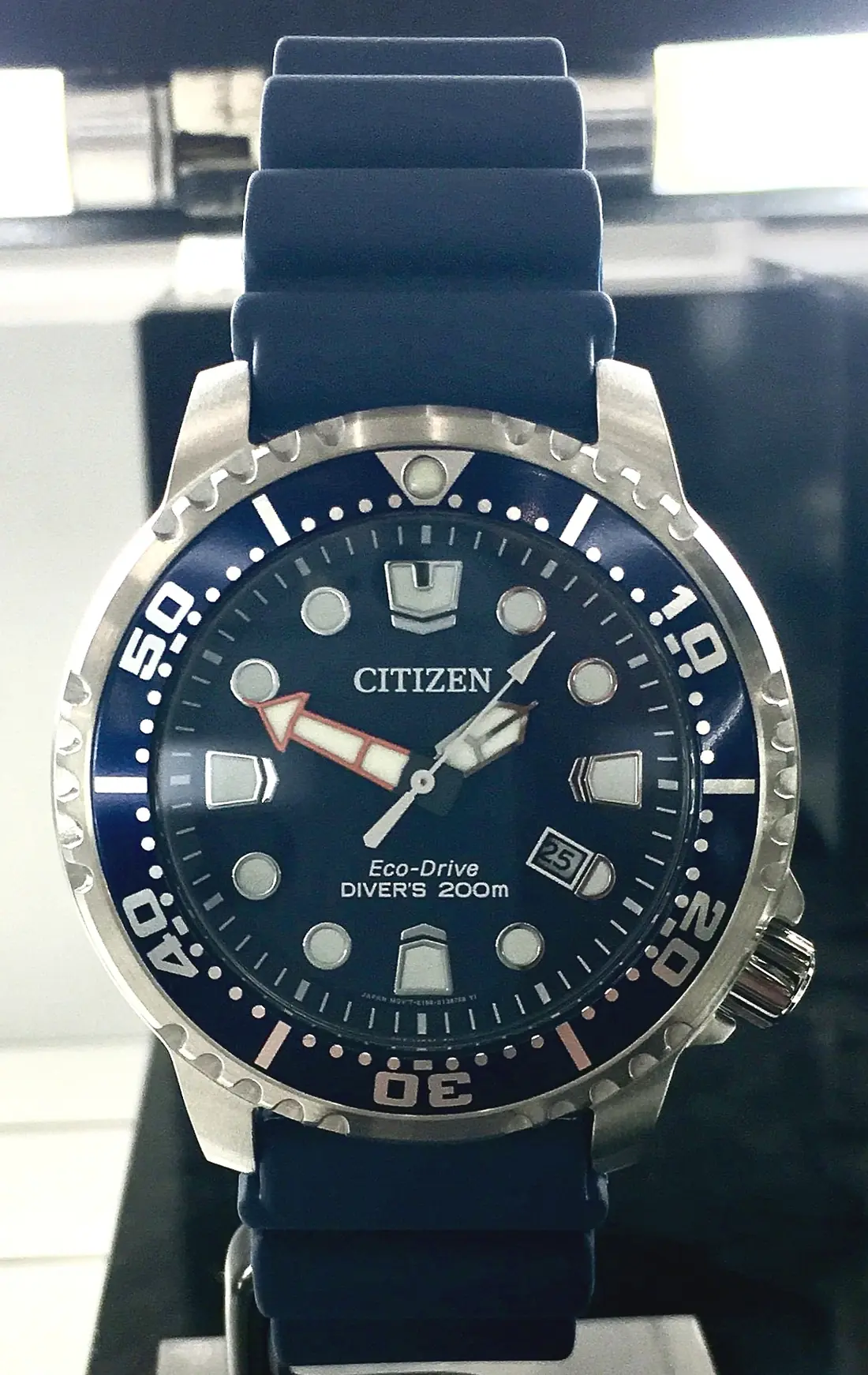
“50 metres” sounds like permission to swim. It isn’t. That number comes from a static pressure test in a laboratory — the case sat in a chamber and held out a pressure equivalent to a fixed depth of still water for a short period, in a tank, at room temperature, when the watch was new. Real water is warm, moving, soapy, salty, and arrives at the case at the speed of your arm. Understanding the gap between the marking and the reality is the difference between a watch that lasts thirty years and a repair bill.
Can I get it wet? Check before, not after
Pick what’s written on your watch, then pick what you’re about to do.
Every water-resistant watch handles splashes and rain. Dry it afterwards and make sure the crown is fully pushed in or screwed down.
Conservative, general guidance for a watch in good order — not a substitute for your manufacturer’s instructions. In Switzerland, anything marked “water-resistant” must meet ISO 22810, and the word “waterproof” is not permitted on watches at all, because no case resists every pressure.
What the numbers actually promise
Notice what the ladder is not: a depth chart. A 100-metre watch is not rated to swim at 100 metres — it survived a test equivalent to that pressure while sitting perfectly still. Swing your arm through water and pressure at the crystal spikes far above the static equivalent of your actual depth, which is exactly how 30- and 50-metre watches die in swimming pools.
“Water resistant 200m” is not “DIVER’S 200m”
These look interchangeable on a listing and mean quite different things. A plain pressure marking follows the general standard, where compliance can be demonstrated on samples from production. A watch marked DIVER’S is claiming the separate, much stricter diving standard — every single watch tested rather than a sample, a minimum of 100 metres, plus condensation resistance, thermal shock, resistance to salt water and magnetism, a unidirectional timing bezel and legibility in darkness. If you actually dive, that word on the dial is the one that matters.
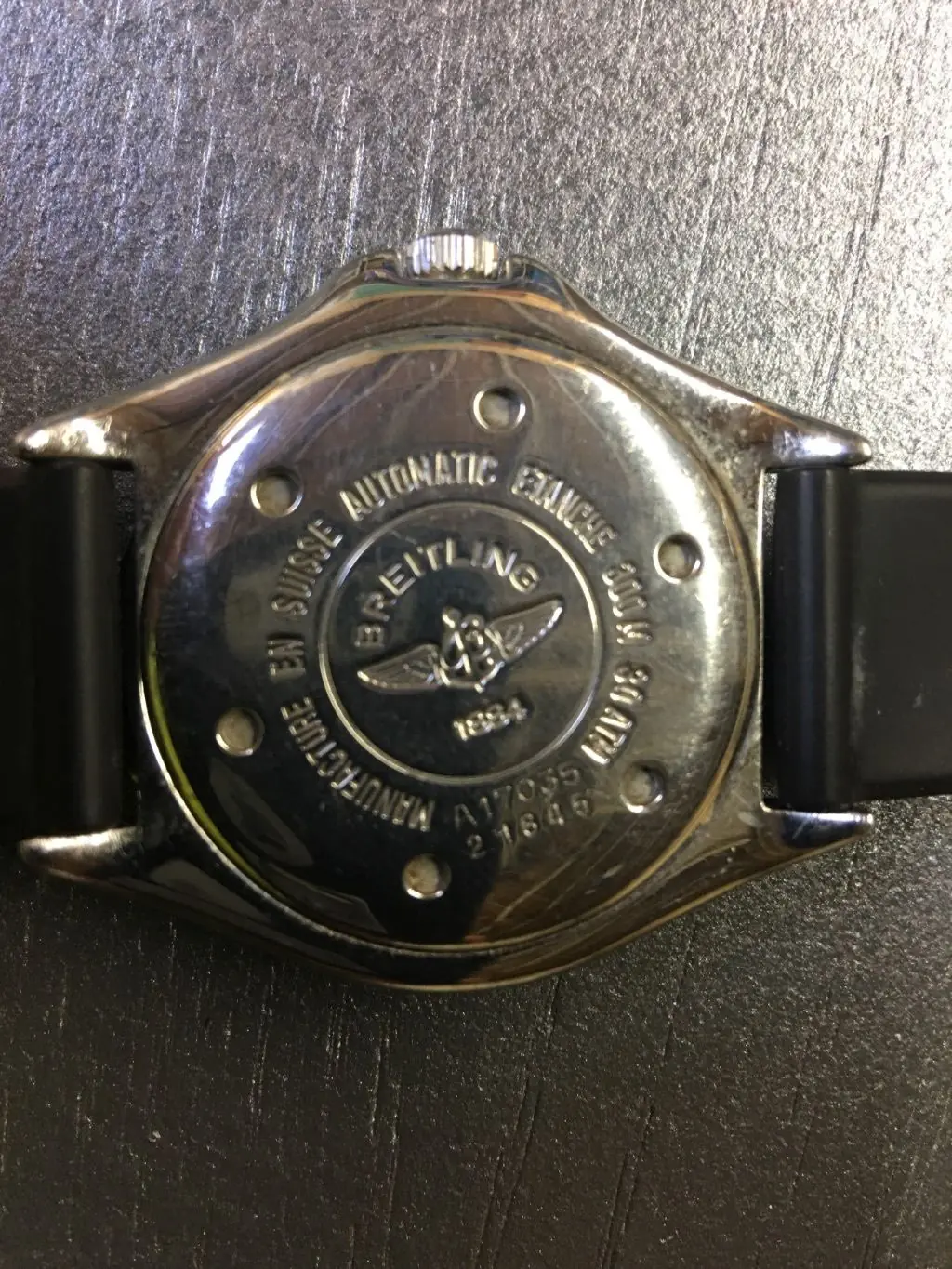
Where the water actually gets in
Not through the steel. Through four rubber seals, every one of which is a consumable part.
- The crown is the weak point. A screw-down crown left a quarter-turn open turns a 300-metre watch into a 0-metre watch. Check it every time before contact with water.
- Never operate anything underwater. Pulling a crown or pressing a chronograph pusher while submerged opens a direct path inside.
- Gaskets age. Rubber hardens, compresses and shrinks with heat, soap, sunscreen and time. Resistance is a maintenance state, not a permanent property.
- Every opening resets it. A battery change or a movement service breaks the seal. Ask for a pressure test afterwards and for the gaskets to be replaced — it is inexpensive and it is the single most common reason watches flood.
Heat is worse than depth. A sauna or hot tub expands the metal, dries the gaskets and then, as the case cools, draws humid air — and eventually water — inside. No rating on any dial covers it.
Habits that keep a watch dry
- Rinse after salt water with fresh water, then dry the case and bracelet. Salt crystallises in the gaps and chews at seals.
- Keep soap and chemicals off it. Shower gel, sunscreen, chlorine and solvents attack rubber faster than water does.
- Pressure-test every couple of years if you swim with it, and always after the case has been opened.
- Treat vintage as unrated. Whatever a 1970s caseback claims, fifty-year-old gaskets and a possibly replaced crystal owe you nothing. Assume splash-proof at best until it has been tested.
- Watch the strap, not just the watch. Leather is the part that actually dies in a pool; rubber, steel and fabric don’t mind.
- Condensation under the crystal is an emergency. Get it to a watchmaker within days — moisture rusts steel movement parts quickly, and that repair costs many times a gasket service.
Not sure what you’ve got on your wrist? Watch Scanner & Valuator can suggest the model and reference from a photo, which is the fastest way to look up the specification that actually applies — including whether that “200m” is a general rating or a genuine diver’s marking. For a watch you plan to swim with, a watchmaker’s pressure test is still the only real answer.
- Never waterproof
- Only ever water-resistant, and only when new and sealed
- Everyday swimming
- Look for 100m or more
- Scuba diving
- 200m and, ideally, the word DIVER’S
- Never
- Sauna, hot tub, steam room — at any rating
- After a battery change
- New gaskets and a pressure test
- Warning sign
- Fogging under the crystal — act within days
The takeaway
Read the number as a laboratory result, not a promise. Under 100 metres, keep it out of the water; at 100 metres, swim and stop worrying; at 200 metres with a screw-down crown, do essentially anything on the surface. Then remember the two things the marking never mentions: heat destroys seals, and seals expire. A cheap gasket service every few years protects a watch far better than an extra hundred metres printed on the dial.
At a glance
| Marking | Safe for | Not for |
|---|---|---|
| 30 m / 3 bar | Rain, hand washing | Showers, swimming |
| 50 m / 5 bar | Brief, shallow contact | Regular swimming |
| 100 m / 10 bar | Swimming, surface water | Diving |
| 200 m / 20 bar | Snorkelling, water sports | Scuba unless marked DIVER’S |
| DIVER’S 100 m+ (ISO 6425) | Scuba diving | Saturation diving unless rated |
| Any rating | — | Sauna, hot tub, steam room |
Frequently asked questions
Can I shower with a 50m water resistant watch?
It’s risky. Soap, hot water and temperature change degrade gaskets. A 100 m watch with a screwed-down crown is a safer choice for showering, and many owners avoid it altogether.
What is the difference between water resistant and diver’s watches?
General water resistance (ISO 22810) is tested on samples. A DIVER’S watch under ISO 6425 must be tested individually and meet extra requirements such as condensation, thermal shock, salt-water and legibility tests, with at least 100 m.
How often should water resistance be tested?
About once a year for watches used in water, and after any battery change or case opening. Gaskets age even when unused.
Is a vintage watch still water resistant?
Assume not. Decades-old gaskets and crystals rarely hold their original rating until serviced and pressure-tested.
Sources and further reading
- Water Resistant mark — Wikipedia
- Diving watch — Wikipedia
- Swiss made — Federation of the Swiss Watch Industry FH
Links checked September 14, 2026.
Explore the apps
Fast, fun, AI-powered apps with 1M+ on the App Store. Find your next favorite.
Browse all apps