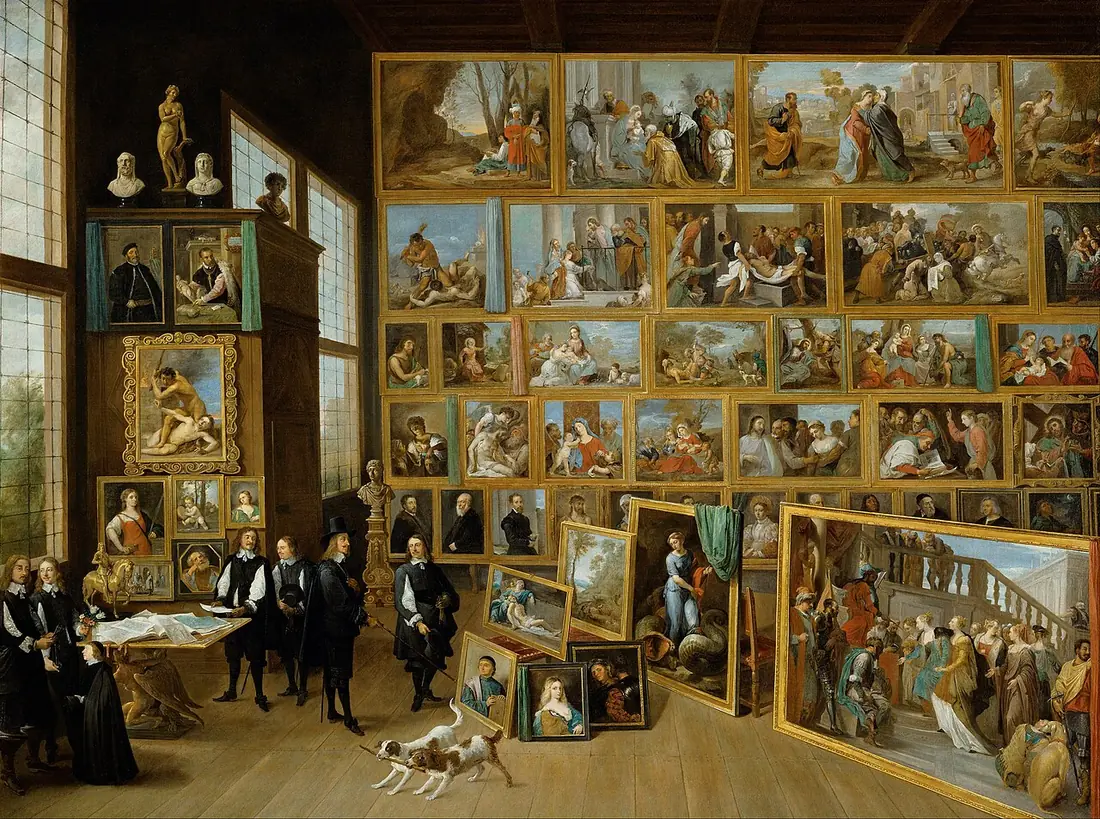
“Art collector” sounds like a job title that requires a paddle at Christie’s and a spare wing of the house. It doesn’t. A collection is just a group of works someone chose on purpose, and plenty of respected ones started with a $150 print bought by someone who couldn’t stop thinking about it. What separates a collection from a pile of decoration isn’t money — it’s a point of view, and a little knowledge about what you’re paying for.
Decide what you’re actually doing
Be honest with yourself upfront, because it changes every decision that follows. Are you buying because you want to live with these objects, or because you expect them to appreciate? If it’s the second, know that art is a poor investment vehicle for beginners: it’s illiquid, resale costs are brutal, and the vast majority of works never rise in value. The collectors who do well financially tend to be the ones who bought what they loved, then got lucky with an artist’s career.
So the honest advice is the boring advice: buy work you’d be happy to keep forever. Any appreciation is a bonus, not a plan.
Train your eye before you spend
The cheapest phase of collecting is also the most valuable. Spend a few months looking hard and buying nothing. Visit museums and commercial galleries, go to degree shows and open studios, follow artists whose work you keep returning to, and browse auction results to see what things actually sell for rather than what they’re listed at. Keep a folder of images that stop you. After fifty saves, you’ll notice a pattern you didn’t know you had — and that pattern is your taste, which is the only real qualification a collector needs.
Where to buy on a modest budget
- Degree and graduate shows — the best value in the market. Genuinely good work by trained artists, priced before any gallery markup.
- Open studios and artist websites — buying direct means the artist keeps everything and you often get first pick.
- Print editions — signed limited editions by established artists put real names within reach; check the edition size.
- Local and regional auctions — far less competition than flagship sales, and estate lots go cheaply. Just budget for the buyer’s premium.
- Art fairs, on the last day — dealers would rather sell than ship work home, and smaller fairs have a genuine emerging-artist section.
- Estate sales and junk shops — low odds, low prices, and the only place a real discovery is still possible.
One note on galleries: many people find them intimidating and assume prices are secret. Ask. Dealers expect it, most will send a price list without drama, and plenty will discuss payment over a few months for a new client. That’s a normal conversation, not a special favour.
The most expensive mistake new collectors make isn’t overpaying for a good work. It’s buying six mediocre ones to fill walls, when one considered piece would have been better and cost the same.
What to check before you pay
- Is it original or a reproduction? A hand-pulled print or unique work is an artwork. An inkjet copy of a painting is a poster with ambitions.
- Edition size, if it’s a print. Twenty-five is scarce; five thousand is not.
- Signature. Hand-signed in pencil, or printed as part of the image? Those are very different things.
- Condition. Fading, foxing, flaking paint, water stains, and past overpainting all cut value and are expensive to fix.
- Paperwork. Keep the invoice, any certificate, and the gallery details. That invoice is the first line of the work’s provenance — the thing a future buyer will ask for.
Budget for the costs after the purchase
New collectors are consistently caught out by this. Framing can easily cost as much as a modest work, and doing it properly — acid-free mats, UV-filtering glazing — is not optional if you want the piece to survive. Add shipping for anything bought remotely, and for larger works, crating. Once a collection reaches a few thousand dollars, add it as a schedule to your home insurance, and photograph everything with its measurements and invoice. Assume roughly 20 to 30 percent on top of purchase price for the real total.
Build a collection, not an accumulation
A collection gains coherence — and interest — from a thread running through it. That thread can be anything: a medium, a region, a generation of artists, a subject you keep circling, a single colour. Collecting several works by one artist over time is another approach, and often the most rewarding, because you end up documenting a career instead of owning a fragment of one. Buy slowly, keep notes on why each piece mattered to you, and let the shape emerge rather than forcing it.
Also: hang it. Art in storage does nothing for anyone. Living with a work is how you find out whether you were right about it, and that feedback is what sharpens your eye for the next purchase.
Found something interesting but don’t know what it is? Art Scan: Painting Identifier analyzes a photo to suggest the likely artist, style, and period, and explains the movement it belongs to. A fast first read at a fair or an estate sale — then get a professional opinion before spending serious money.
- Start with
- Degree shows, print editions, regional auctions
- Ask always
- Original or reproduction? Edition size? Condition?
- Hidden costs
- Framing, shipping, insurance — add 20–30%
- Keep
- Invoices and certificates. They are the provenance
- Don’t
- Buy as an investment, or buy to fill wall space
The takeaway
Collecting art starts the moment you buy something on purpose. Spend the first stretch looking rather than buying so you learn your own taste, then go where prices haven’t been marked up yet — graduate shows, print editions, small auctions. Check whether a piece is original, signed by hand, and in honest condition, keep the paperwork, and budget for framing before you commit. Buy one work you genuinely want to look at every day rather than four you’re lukewarm about, and the collection will build itself.
At a glance
| Source | Why it’s good | Watch out for |
|---|---|---|
| Graduate and open-studio shows | Low prices, direct from artists | No resale market yet |
| Original print editions | Real works by established artists | Reproductions sold as “prints” |
| Regional auctions | Bargains and older works | Buyer’s premium, limited condition info |
| Art fairs | Many galleries in one place | Impulse buys |
| Online galleries | Convenient browsing | Color and scale in photos; return policy |
Frequently asked questions
How much money do I need to start collecting art?
Very little. Original prints and works by emerging artists can start around a couple of hundred dollars.
Is art a good investment?
Rarely as a first reason. Transaction costs are high, most works don’t appreciate, and art is illiquid. Buy what you love; treat any gain as a bonus.
What paperwork should I keep?
Invoices, certificates, provenance documents, condition reports, exhibition history and correspondence with the artist or gallery. They support value, insurance and resale.
Should I insure my art collection?
Once it is worth more than your household policy covers, yes. Use a fine-art policy and a written appraisal for high-value pieces.
Sources and further reading
- International Fine Print Dealers Association — IFPDA
- American Society of Appraisers — American Society of Appraisers
- Caring for Your Treasures — American Institute for Conservation
Links checked September 14, 2026.
Explore the apps
Fast, fun, AI-powered apps with 1M+ on the App Store. Find your next favorite.
Browse all apps